Advanced CNN Architectures & Frameworks: VGG, ResNet, and Inception!
অ্যাডভান্সড CNN আর্কিটেকচার ও ফ্রেমওয়ার্ক: VGG, ResNet এবং Inception!
Hello again! In our final post of the CNN series, we are going to look at the legendary CNN architectures that have won competitions and shaped modern AI. We will also briefly look at the software frameworks we use to build them!
When building CNNs, scientists realized that different tasks require different architectures. For Classification, we use models like VGG-16, ResNet, and Inception. But for Segmentation (cutting out shapes), we use specialized models like FCN, U-Net, or Mask R-CNN. Let's explore three legendary classification models!
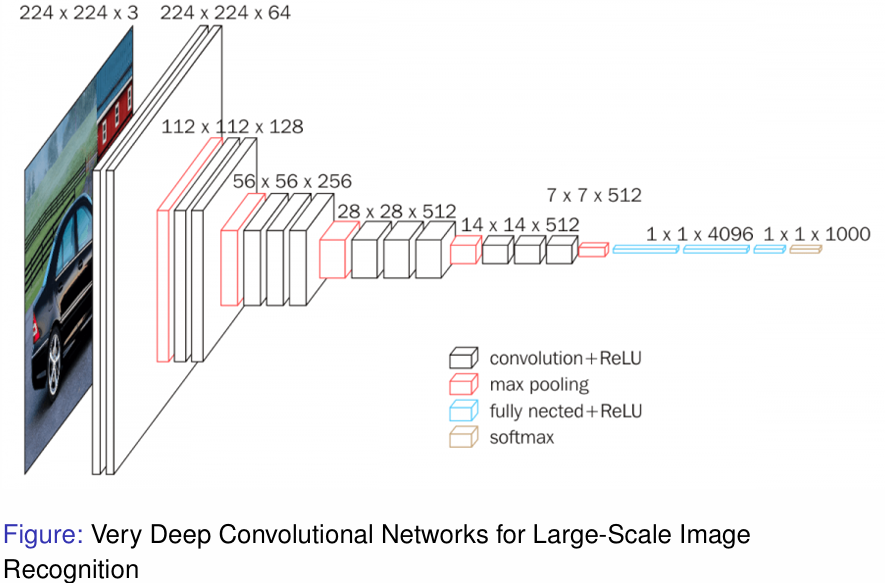
1. VGG-16 (The Power of Small Windows)
Before VGG, models like AlexNet used very large filters (like 11x11 or 7x7) in their first layers. VGG-16 changed the game by exclusively using tiny 3x3 filters stacked back-to-back.
Why use smaller filters? Analogy: Imagine trying to understand a complex painting. Looking through one massive window (11x11) gives you a big blurry view. But looking through several small windows (3x3) repeatedly gives you much more detail and depth! Stacking smaller filters increases the number of non-linear ReLU layers, making the network's decision-making process much sharper and more discriminative.
2. ResNet (The 'Skip Connection' Shortcut)
As researchers tried to make networks deeper and deeper (to learn better features), they hit a massive wall: The Vanishing Gradient Problem. The deeper the network, the harder it was to train because information got lost on the way back.
The Solution: Skip Connections ResNet (Residual Network) solved this brilliantly. Analogy: Imagine a long game of "Telephone" with 50 people. By the time the message reaches the end, it is completely distorted. But what if you added a special "shortcut" telephone line that directly connects person 1 to person 5, bypassing the middle people? The original message stays intact!
Instead of just forcing data to go through every layer ($H(x)$), ResNet adds the original input back to the output of the layer: $\mathcal{F}(x) + x$. This simple identity shortcut allows us to train insanely deep networks (like 152 layers!) without losing the signal.
3. Inception / GoogleLeNet (The Master Detective)
Pictures are tricky. Sometimes a cat is right in front of the camera (huge), and sometimes it is far away in the background (tiny). A single fixed filter size struggles to capture all these variations.
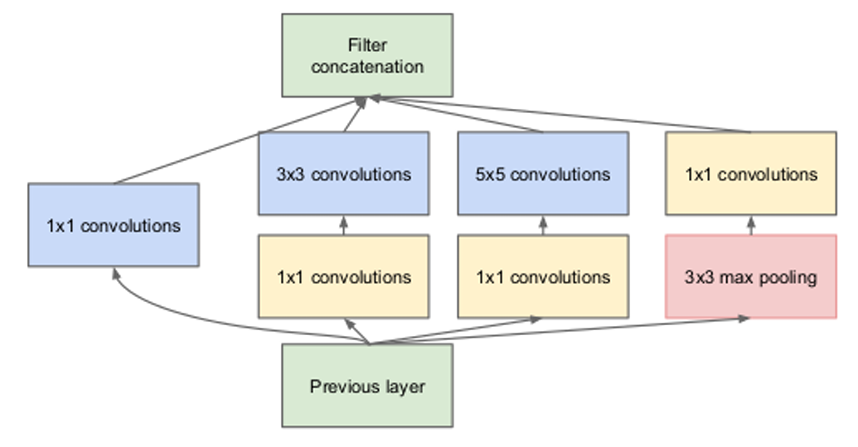
Inception solves this by running multiple convolution sizes simultaneously! Inside an Inception module, the data is split into 4 parallel paths:
- 1x1 convolution (to reduce depth)
- 3x3 convolution
- 5x5 convolution
- Max Pooling
Analogy: It is like a master detective investigating a crime scene using four different tools at the exact same time! He uses a small magnifying glass (1x1), a medium lens (3x3), a large wide lens (5x5), and his naked eye (pooling). Afterwards, he puts all the clues together (filter concatenation) to make the best decision!
Popular Frameworks: How do we build these?
To build these models, we don't code the math from scratch. We use frameworks:
- TensorFlow (by Google): Uses static computation graphs. Think of it like planning your entire road trip route before starting the car. Very powerful and runs everywhere!
- PyTorch (by Facebook): Uses dynamic graphs. Think of it like driving flexibly and changing your route on the fly! Researchers love this for its flexibility.
- Keras: A super high-level API. It is incredibly easy to use and hides all the complex math from beginners!
- Model Zoo: Don't want to build from scratch? Visit a "Model Zoo" online to download pre-built, pre-trained models and use them instantly!
[!NOTE] IMPORTANT NOTES FOR NOTEBOOK Concept: Advanced CNN Architectures & Frameworks Key Point 1: VGG uses stacks of small 3x3 filters instead of large ones, increasing non-linearity and discriminative power. Key Point 2: ResNet introduced skip connections ($F(x) + x$) to solve the vanishing gradient problem, enabling ultra-deep architectures (up to 152 layers). Key Point 3: Inception modules apply parallel convolutions of different sizes (1x1, 3x3, 5x5) simultaneously to capture features at various scales. Key Point 4: TensorFlow uses static graphs, PyTorch uses dynamic graphs, and Keras acts as an easy-to-use high-level API.
হ্যালো! আমাদের CNN সিরিজের একদম শেষ পর্বে তোমাকে স্বাগতম! আজ আমরা কিছু লেজেন্ডারি বা বিখ্যাত CNN আর্কিটেকচার নিয়ে আলোচনা করবো, যেগুলো বিভিন্ন কম্পিটিশন জিতেছে এবং আধুনিক এআই-এর রূপ বদলে দিয়েছে। সবশেষে আমরা জানবো এগুলো বানানোর জন্য কোন কোন সফটওয়্যার ফ্রেমওয়ার্ক ব্যবহার করা হয়!
CNN বানানোর সময় বিজ্ঞানীরা বুঝতে পারলেন, ভিন্ন ভিন্ন কাজের জন্য ভিন্ন ভিন্ন আর্কিটেকচার প্রয়োজন। Classification (শ্রেণিবিন্যাস) করার জন্য আমরা VGG-16, ResNet এবং Inception-এর মতো মডেল ব্যবহার করি। কিন্তু Segmentation (আকৃতি কাটা) করার জন্য FCN, U-Net বা Mask R-CNN-এর মতো স্পেশাল মডেল লাগে। চলো ৩টি বিখ্যাত ক্লাসিফিকেশন মডেল সম্পর্কে জেনে নিই!
১. VGG-16 (ছোট ফিল্টারের বড় শক্তি)
VGG আসার আগে AlexNet-এর মতো মডেলগুলো তাদের প্রথম দিকের লেয়ারগুলোতে অনেক বড় বড় ফিল্টার (যেমন- 11x11 বা 7x7) ব্যবহার করতো। কিন্তু VGG-16 এসে পুরো নিয়ম বদলে দেয়! এটি শুধুমাত্র ছোট সাইজের 3x3 ফিল্টার স্তরে স্তরে সাজিয়ে ব্যবহার করে।
কেন ছোট ফিল্টার ব্যবহার করা হলো? বাস্তব জীবনের উদাহরণ: ধরো তুমি একটি জটিল পেইন্টিং বোঝার চেষ্টা করছো। তুমি যদি একটি বিশাল জানালা (11x11) দিয়ে একবারে দেখার চেষ্টা করো, তবে তুমি বড় একটি ঘোলা ভিউ পাবে। কিন্তু তুমি যদি ছোট ছোট অনেকগুলো জানালা (3x3) দিয়ে বারবার একটু একটু করে দেখো, তবে তুমি অনেক বেশি বিস্তারিত তথ্য বা ডিটেইলস বুঝতে পারবে! ছোট ফিল্টার বারবার ব্যবহার করলে নেটওয়ার্কে non-linear (ReLU) লেয়ারের সংখ্যা বেড়ে যায়, ফলে মডেলটি আরও সূক্ষ্মভাবে পার্থক্য ধরতে পারে!
২. ResNet (শর্টকাট বা স্কিপ কানেকশন)
গবেষকরা যখন আরও ভালো ফিচার শেখার জন্য নেটওয়ার্কগুলোকে আরও গভীর বা ডিপ (Deep) করার চেষ্টা করলেন, তখন তারা বিশাল এক দেয়ালে ধাক্কা খেলেন। এর নাম Vanishing Gradient Problem। নেটওয়ার্ক যত গভীর হয়, ব্যাক-প্রোপাগেশনের সময় পেছনের দিকে তথ্য তত বেশি হারিয়ে যেতে থাকে, ফলে মডেলটি আর কিছু শিখতে পারে না।
সমাধান: স্কিপ কানেকশন (Skip Connections) ResNet (Residual Network) খুব দারুণভাবে এর সমাধান করে। বাস্তব জীবনের উদাহরণ: ধরো ৫০ জন মানুষের একটি লম্বা "কানে কানে কথা বলা" বা টেলিফোন গেম চলছে। প্রথম জনের কথা ৫০ নম্বর জনের কাছে পৌঁছাতে পৌঁছাতে পুরোই বিকৃত হয়ে যায়। কিন্তু কেমন হতো যদি ১ নম্বর মানুষ থেকে সরাসরি ৫ নম্বর মানুষের কাছে একটি স্পেশাল "শর্টকাট" টেলিফোন লাইন থাকতো? তাহলে তো মূল কথাটা একদম ঠিকঠাক পৌঁছাতো!
ResNet ঠিক এই কাজটাই করে! এটি ডেটাকে শুধু লেয়ারের ভেতর দিয়ে ($H(x)$) জোর করে না পাঠিয়ে, আগের ডেটা বা ইনপুটটাকে সরাসরি লেয়ারের আউটপুটের সাথে যোগ করে দেয়: $\mathcal{F}(x) + x$। এই সাধারণ শর্টকাটের কারণে আমরা সিগন্যাল না হারিয়েই অবিশ্বাস্য গভীর নেটওয়ার্ক (যেমন ১৫২ লেয়ার!) ট্রেইন করতে পারি।
৩. Inception / GoogleLeNet (মাস্টার গোয়েন্দা)
ছবি আসলে বেশ গোলমেলে জিনিস। কখনও ছবিতে একটি বিড়াল একদম সামনে থাকে (অনেক বড়), আবার কখনও অনেক পেছনে থাকে (খুব ছোট)। একটি নির্দিষ্ট সাইজের ফিল্টার দিয়ে এই সব ধরনের পার্থক্য ধরা খুব কঠিন।
Inception মডেলটি এর সমাধান করেছে একই সাথে একাধিক সাইজের কনভোল্যুশন চালিয়ে! একটি ইনসেপশন মডিউলের ভেতরে ডেটা একসাথে ৪টি সমান্তরাল (parallel) পথে ভাগ হয়ে যায়: ১. 1x1 কনভোল্যুশন (ডাইমেনশন কমানোর জন্য) ২. 3x3 কনভোল্যুশন ৩. 5x5 কনভোল্যুশন ৪. ম্যাক্স পুলিং (Max Pooling)
বাস্তব জীবনের উদাহরণ: এটি যেন একজন মাস্টার গোয়েন্দা, যে ক্রাইম সিনে একসাথে ৪টি ভিন্ন ভিন্ন টুল ব্যবহার করছে! সে একটি ছোট ম্যাগনিফাইং গ্লাস (1x1), একটি মাঝারি লেন্স (3x3), একটি বড় ওয়াইড লেন্স (5x5) এবং নিজের খালি চোখ (পুলিং) একসাথে ব্যবহার করছে। এরপর সে তার সব ক্লু একসাথে জোড়া লাগিয়ে (filter concatenation) সবচেয়ে সেরা সিদ্ধান্তটি নেয়!
জনপ্রিয় ফ্রেমওয়ার্ক: এগুলো কীভাবে বানানো হয়?
এই জটিল গাণিতিক মডেলগুলো বানানোর জন্য আমরা একদম শূন্য থেকে কোড লিখি না। আমরা বিভিন্ন ফ্রেমওয়ার্ক ব্যবহার করি:
- TensorFlow (Google-এর তৈরি): এটি Static computation graph ব্যবহার করে। মানে গাড়ি স্টার্ট দেওয়ার আগেই পুরো রাস্তার ম্যাপ ঠিক করে ফেলা! এটি অত্যন্ত শক্তিশালী এবং সব প্ল্যাটফর্মে চলে।
- PyTorch (Facebook-এর তৈরি): এটি Dynamic graph ব্যবহার করে। মানে গাড়ি চালাতে চালাতেই প্রয়োজন অনুযায়ী রাস্তা বদলানো যায়! ফ্লেক্সিবিলিটির কারণে গবেষকরা এটি খুব পছন্দ করেন।
- Keras: এটি একটি হাই-লেভেল API। এটি ব্যবহার করা এতই সোজা যে, নতুনদের জন্য এটি ভেতরের সব জটিলতা লুকিয়ে রাখে!
- Model Zoo: তুমি যদি একদম শুরু থেকে মডেল বানাতে না চাও, তবে অনলাইনে বিভিন্ন "Model Zoo"-তে গিয়ে আগে থেকে ট্রেইন করা রেডিমেড মডেল ডাউনলোড করে সাথে সাথেই ব্যবহার করতে পারো!
[!NOTE] IMPORTANT NOTES FOR NOTEBOOK Concept: Advanced CNN Architectures & Frameworks Key Point 1: VGG uses stacks of small 3x3 filters instead of large ones, increasing non-linearity and discriminative power. Key Point 2: ResNet introduced skip connections ($F(x) + x$) to solve the vanishing gradient problem, enabling ultra-deep architectures (up to 152 layers). Key Point 3: Inception modules apply parallel convolutions of different sizes (1x1, 3x3, 5x5) simultaneously to capture features at various scales. Key Point 4: TensorFlow uses static graphs, PyTorch uses dynamic graphs, and Keras acts as an easy-to-use high-level API.