Introduction to CNN: The AI That Can See!
CNN পরিচিতি: যে AI নিজের চোখে দেখতে পায়!
Hello everyone! Today we are entering one of the most fascinating areas of AI: Computer Vision. Imagine giving a computer a pair of eyes so it can look at a picture and actually understand what is in it. This magic is achieved using a CNN (Convolutional Neural Network). Let's break it down like a big brother/sister explaining it to you! 😊
What exactly is a CNN?
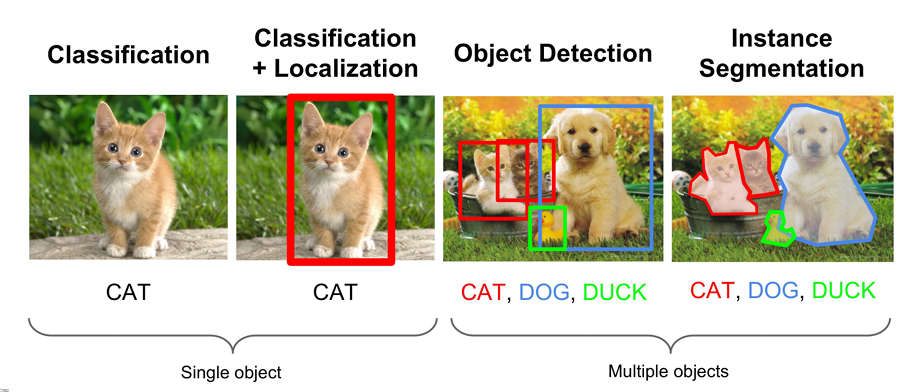
A CNN is a multi-layer neural network algorithm specifically designed to look at images and automatically learn important features from them. Depending on what we want the AI to do, we can divide its tasks into four main levels:
- Classification: Just telling us what is in the image. (e.g., "Hey, there's a CAT in this picture!")
- Classification + Localization: Telling us what it is and where it is by drawing a simple box around it.
- Object Detection: Finding multiple things in one picture. ("Here is a CAT, there is a DOG, and over there is a DUCK.")
- Instance Segmentation: This is the ultimate level! Instead of just drawing a box, the AI accurately outlines the exact shape of the object.
Real-life Analogy: Imagine you are looking at a family photo. Classification is just glancing and saying, "Oh, there's my brother." Detection is pointing your finger and saying, "He is sitting right there on the sofa." Segmentation is taking a pair of scissors and perfectly cutting out your brother's exact shape from the photo!
The History: How did we get here?
The history of CNNs can be compared to the evolution of car engines:
- 1980 (The First Basic Engine): Kunihiko Fukushima introduced the concept of convolution with a model called Neocognitron. It was the very first seed of CNN.
- 1998 (The First Functional Car): Yann LeCun created LeNet, a modern CNN architecture designed to recognize handwritten digits. It took an image, passed it through multiple layers (Convolution $\rightarrow$ Subsampling), and finally spit out a number (0-9).
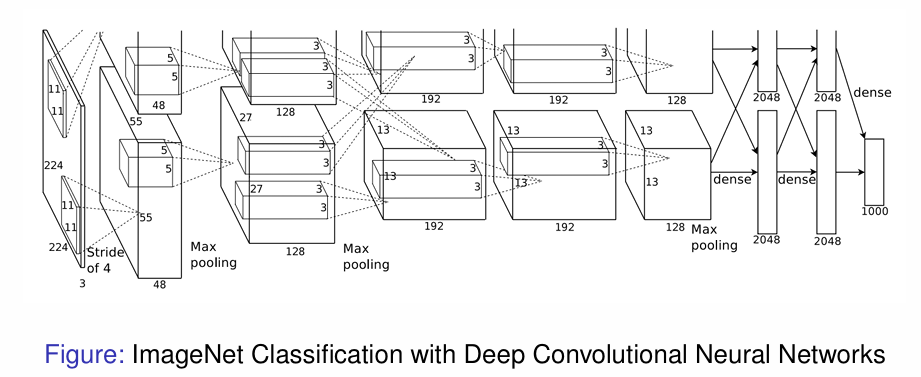
- 2012 (The Turbo Engine & Highway): Alex Krizhevsky blew everyone's minds by creating AlexNet. He won the famous ImageNet competition. His secret? He trained his massive network using a GPU! It was incredibly fast and changed the entire tech industry overnight.
Why is CNN better than Traditional ML?
In traditional Machine Learning (like SVM or Random Forest), you had to act like a strict teacher. You had to manually tell the computer, "To recognize a cat, look for pointy ears and a long tail."
But CNNs are like smart toddlers. You don't need to tell them the rules. You just show them thousands of pictures of cats, and they automatically learn the best features by themselves! Their generalization capacity is huge, meaning if they learn what a cat looks like from your photos, they can easily recognize a cartoon cat on TV too!
Where are we using CNNs today?
CNNs are not just textbook theories; they are running the modern world!
- Car and Plate Recognition: Automatically scanning license plates at toll booths.
- Biometry: Scanning your iris or face to unlock your phone safely.
- Autonomous Cars: Self-driving Teslas use semantic segmentation to instantly distinguish the road from pedestrians and other cars.
- Indoor Scene Recognition: Robots navigating inside a hospital by recognizing corridors and lab rooms.
[!NOTE] IMPORTANT NOTES FOR NOTEBOOK Concept: CNN Definition & Applications Key Point 1: CNN is a multi-layer AI algorithm that learns relevant features from images for classification, detection, and segmentation. Key Point 2: History: Neocognitron (1980) $\rightarrow$ LeNet (1998) $\rightarrow$ AlexNet (2012, used GPU, revolutionized the field). Key Point 3: Real-world applications include plate recognition, biometry, autonomous cars, and pedestrian detection. Advantage: CNN learns the best features automatically and generalizes incredibly well, eliminating the need for manual feature engineering.
হ্যালো সবাইকে! আজ আমরা এআই-এর সবচেয়ে আকর্ষণীয় একটি জগতে পা রাখতে যাচ্ছি—Computer Vision (কম্পিউটার ভিশন)। একটু চিন্তা করে দেখো, একটা কম্পিউটারকে যদি চোখ দেওয়া যায়, যাতে সে একটা ছবি দেখে বুঝতে পারে সেখানে কী আছে, বিষয়টা কতটা জাদুকরী হবে! এই ম্যাজিকটাই করা হয় CNN (Convolutional Neural Network) ব্যবহার করে। চলো, আজ একজন বড় ভাই/আপুর মতো করে খুব সহজ ভাষায় ব্যাপারটা বুঝে নিই! 😊
CNN আসলে কী?
CNN হলো এমন একটি মাল্টি-লেয়ার নিউরাল নেটওয়ার্ক অ্যালগরিদম, যাকে বিশেষভাবে ডিজাইন করা হয়েছে ছবি দেখার জন্য। এটি নিজে থেকেই ছবির ভেতর থেকে গুরুত্বপূর্ণ features (বৈশিষ্ট্য) শিখে নিতে পারে। আমরা এআই-কে দিয়ে কী করাতে চাই, তার ওপর ভিত্তি করে এর কাজকে ৪টি ধাপে ভাগ করা যায়:
১. Classification (শ্রেণিবিন্যাস): ছবিতে কী আছে শুধু সেটা বলা। (যেমন- "এই ছবিতে একটা বিড়াল আছে!") ২. Classification + Localization: কী আছে এবং কোথায় আছে, সেটা একটা বক্স এঁকে দেখিয়ে দেওয়া। ৩. Object Detection: একটা ছবিতে অনেকগুলো জিনিস থাকলে সবগুলো খুঁজে বের করা। ("এখানে বিড়াল, ওইখানে কুকুর, আর ওপাশে হাঁস।") ৪. Instance Segmentation: এটি হলো একদম প্রো-লেভেল! শুধু বক্স না এঁকে, অবজেক্টটির একদম নিখুঁত আকৃতি বা আউটলাইন (outline) বের করা।
বাস্তব জীবনের উদাহরণ: ধরো তুমি একটা ফ্যামিলি ছবি দেখছো। Classification হলো শুধু বলা "ছবিতে আমার ভাই আছে"। Detection হলো আঙুল দিয়ে দেখিয়ে দেওয়া "ওই যে সে সোফায় বসে আছে"। আর Segmentation হলো কাঁচি দিয়ে নিখুঁতভাবে ছবি থেকে শুধু তোমার ভাইয়ের আকৃতিটা কেটে বের করে আনা!
ইতিহাস: আমরা এখানে কীভাবে এলাম?
CNN-এর ইতিহাসকে তুমি গাড়ির ইঞ্জিন উন্নয়নের গল্পের সাথে তুলনা করতে পারো:
- ১৯৮০ (প্রথম বেসিক ইঞ্জিন): কুনাইহিকো ফুকুশিমা (Kunihiko Fukushima) প্রথম কনভোল্যুশনের ধারণা দেন, যার নাম ছিল Neocognitron। এটাই ছিল CNN-এর প্রথম বীজ।
- ১৯৯৮ (প্রথম কার্যকর গাড়ি): ইয়ান লেকুন (Yann LeCun) আধুনিক CNN-এর ধারণা নিয়ে আসেন—যার নাম LeNet। এটি মূলত হাতের লেখা (০-৯) চেনার জন্য বানানো হয়েছিল।
- ২০১২ (টার্বো ইঞ্জিন ও হাইওয়ে): অ্যালেক্স ক্রিজেভস্কি (Alex Krizhevsky) AlexNet তৈরি করে পুরো দুনিয়াকে চমকে দেন! তিনি ImageNet প্রতিযোগিতা জিতেছিলেন। তার সবচেয়ে বড় সিক্রেট কী ছিল জানো? তিনি তার নেটওয়ার্ককে ট্রেইন করার জন্য GPU ব্যবহার করেছিলেন, যা ছিল অবিশ্বাস্যরকম দ্রুত! এরপর থেকেই এআই দুনিয়ায় বিপ্লব শুরু হয়ে যায়।
প্রথাগত মেশিন লার্নিং থেকে CNN কেন ভালো?
SVM বা Random Forest-এর মতো পুরনো মেশিন লার্নিং পদ্ধতিতে তোমাকে একজন কড়া শিক্ষকের মতো হতে হতো। নিজে হাতে কম্পিউটারকে বলে দিতে হতো, "বিড়াল চিনতে হলে কান দেখো, লেজ দেখো।"
কিন্তু CNN হলো একটা স্মার্ট বাচ্চার মতো। তাকে কোনো রুলস বলে দিতে হয় না। তুমি জাস্ট তাকে বিড়ালের হাজার হাজার ছবি দেখাবে, আর সে নিজেই শিখে নেবে কোন feature-গুলো গুরুত্বপূর্ণ! এর generalization capacity এতই বেশি যে, সে যদি আসল বিড়ালের ছবি দেখে শেখা শুরু করে, তবে পরে টিভিতে কার্টুন বিড়াল দেখলেও অনায়াসে চিনে ফেলতে পারবে!
বর্তমানে CNN কোথায় কোথায় ব্যবহৃত হচ্ছে?
CNN শুধু বইয়ের পাতায় আটকে নেই, এটি এখন দুনিয়া কাঁপাচ্ছে!
- গাড়ি ও নাম্বার প্লেট চেনা: টোল প্লাজায় স্বয়ংক্রিয়ভাবে নাম্বার প্লেট স্ক্যান করা।
- বায়োমেট্রি (Biometry): চোখের মণি (iris) বা ফেস স্ক্যান করে ফোন আনলক করা।
- অটোনোমাস কার (Self-driving cars): সেলফ ড্রাইভিং গাড়িগুলো রাস্তা, মানুষ ও অন্য গাড়ি আলাদা করতে সিমান্টিক সেগমেন্টেশন ব্যবহার করে।
- ইনডোর সিন রেকগনিশন: রোবটরা হাসপাতালের ভেতরে করিডোর বা ল্যাব রুম চিনে নিজে নিজেই চলাফেরা করতে পারে।
[!NOTE] IMPORTANT NOTES FOR NOTEBOOK Concept: CNN Definition & Applications Key Point 1: CNN is a multi-layer AI algorithm that learns relevant features from images for classification, detection, and segmentation. Key Point 2: History: Neocognitron (1980) $\rightarrow$ LeNet (1998) $\rightarrow$ AlexNet (2012, used GPU, revolutionized the field). Key Point 3: Real-world applications include plate recognition, biometry, autonomous cars, and pedestrian detection. Advantage: CNN learns the best features automatically and generalizes incredibly well, eliminating the need for manual feature engineering.