Beyond the Frame: The Surprising Science and Art of Modern Animation
ফ্রেমের বাইরে: মডার্ন অ্যানিমেশনের অবাক করা বিজ্ঞান আর আর্ট
Hello there! Ever watched a superhero stick a perfect landing or a digital ocean crashing against a pier, and just stopped to marvel at how seamless it all is? We take the "life" in digital life for granted! But beneath that polished surface lies a breathtaking alchemy of fine art and cold mathematics. How does a computer actually "know" the weight behind a bouncing ball or the chaotic, rhythmic flapping of a bird’s wings? To answer that, we have to look past the pixels and into the mechanics of motion. Grab a snack and let's dive into the surprising science and art of modern animation!
The Manual Evolution: "Frame by Frame"
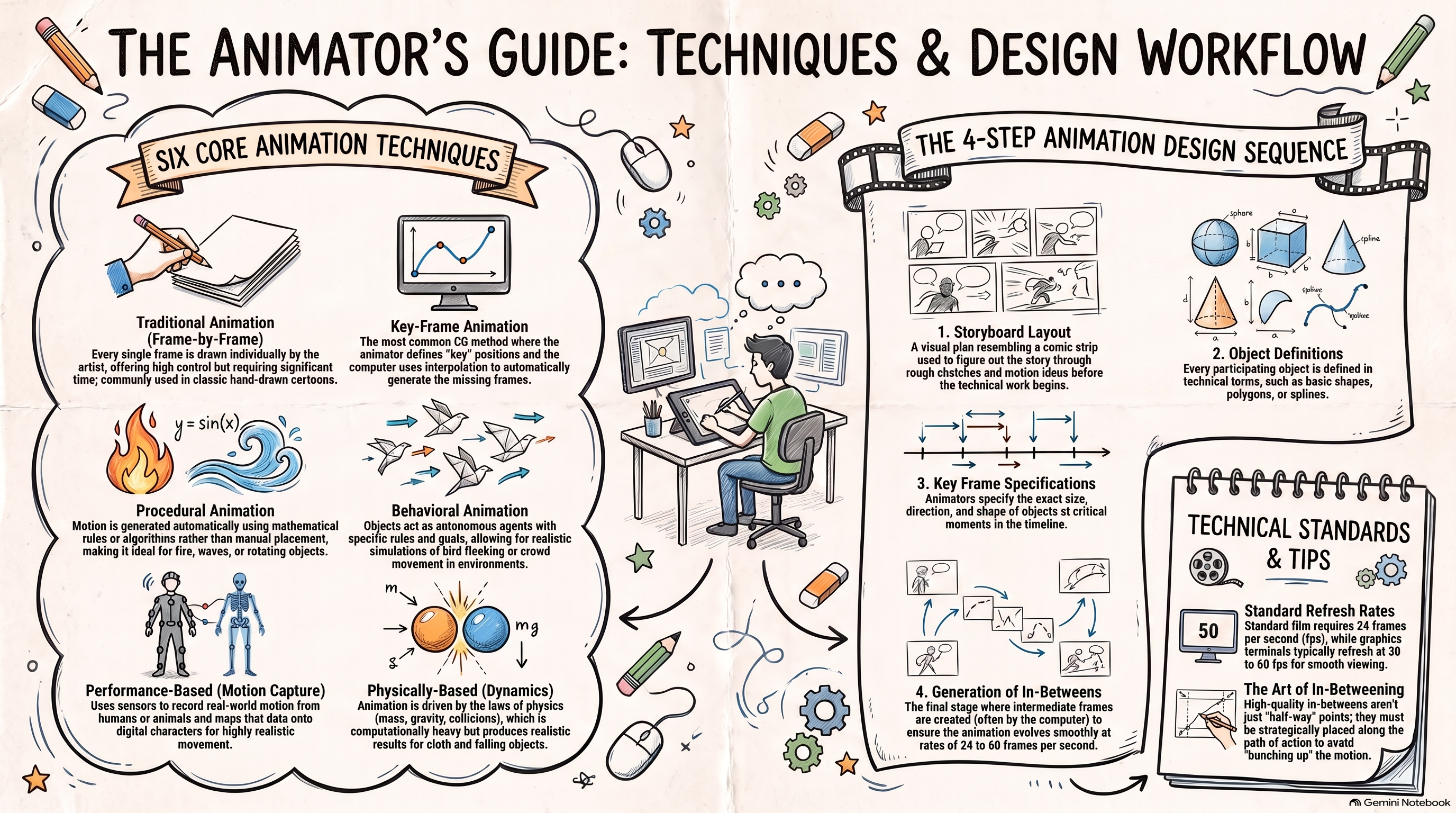
Long before we had super-fast processors to do the heavy lifting, animation was a grueling marathon of human labor. This is the realm of Traditional Animation—the classic "frame by frame" method where every single moment of a sequence is drawn individually. It is the absolute height of artistic control, but it is also brutally time-consuming!
You might wonder why we still care about this "analog" foundation in a digital-first world. The reason is simple: traditional animation established the "soul" of movement. Even the most advanced 3D software today is built upon the timing and squash-and-stretch principles perfected by artists hunched over light tables. It remains the bedrock of the medium because it teaches us that motion isn't just about moving an object; it’s about expressing a feeling.
The Efficiency Gap: Key-frame Animation
As the demand for complex visuals exploded, the industry found its silver bullet in Key-frame Animation. This is currently the most common method in computer graphics because it brilliantly bridges the gap between human intent and computer efficiency.
In this system, an animator doesn't need to labor over every millisecond. Instead, they define the "key frames"—the pivotal moments where a character changes direction, size, or shape. The computer then uses a mathematical process called interpolation to generate the "in-between" frames. By letting the software handle the repetitive work of filling the gaps, animators save an extreme amount of time, allowing them to focus on the big-picture performance!
When Algorithms Take the Lead!
We are now entering an era where motion is often governed by rules rather than direct choreography. It sounds counter-intuitive—how can motion be "autonomous" if an artist is supposed to be in charge? Yet, by setting specific parameters, animators can create life that even they can't entirely predict!
- Procedural Animation: This method generates motion through mathematical algorithms rather than manual placement. It is the go-to solution for repetitive, natural phenomena like the flickering of fire, the rotation of a wheel, or the undulating swell of waves.
- Behavioral Animation: Here, objects are treated as "autonomous agents." Instead of animating each individual bird in a flock, the animator gives the "birds" goals and rules on how to interact with their environment and each other. This results in incredibly realistic crowd movements and schooling patterns that feel organic because, in a sense, they truly are!
The Physics of Reality: Simulating Life
For the ultimate level of realism, modern creators have moved from "drawing" motion to "capturing" and "simulating" it. This represents a seismic shift in the animator's toolkit!
Performance-Based Animation (or Motion Capture) uses sensors to record the movements of real humans or animals. This data is mapped directly onto digital characters, providing a visceral, nuanced realism that is nearly impossible to replicate by hand.
Alongside this, we have Physically-based Animation (Dynamics). This technique uses the laws of physics—force, mass, gravity, and collisions—to determine how an object moves. While these methods require massive processing power, they have fundamentally changed the modern animator's job. The artist is no longer just a draftsman; they are now part-physicist and part-film director, overseeing complex simulations of cloth, hair, and gravity!
The Fine Art of the "In-Between"
Regardless of whether we use algorithms or hand-drawn sketches, the technical core of the craft is "in-betweening." This is the process of evolving the first image smoothly into the second to create the illusion of life.
A "good" in-between understands weight and arcs. If a character is swinging a sword, the computer might want to move the hand in a straight line, but the artist knows that a human arm moves in an arc. Without that artistic intervention, the motion feels robotic and "dead." As the saying goes, "A good inbetween is not just half way between two lines."
The Blueprint: Storyboarding
Because animation involves an enormous amount of work and staggering computational costs, you cannot afford to "find the story" while you are rendering. This is why the Storyboard is the most critical part of the entire design sequence!
Think of the storyboard as the architectural blueprint. It is a comic-strip-style plan that maps out the narrative before the technical heavy lifting begins. By figuring out the story in rough sketches first, creators prevent the catastrophic waste of time that comes from animating a scene that eventually gets cut.
Conclusion: The Future of Digital Life
We have come a long way from the days of hand-painted cels! Today, we weave together traditional principles, motion capture data, and complex physics simulations to create worlds that feel as real as our own. Do you prefer the high artistic control of traditional manual methods, or are you more captivated by the staggering realism of physics-based simulations? Either way, the magic is no longer just on the screen—it’s in the code!
হ্যালো! কী অবস্থা সবার? আজকাল হাই-ডেফিনিশন সিনেমা বা ওপেন-ওয়ার্ল্ড গেমগুলোতে যখন কোনো সুপারহিরো একদম পারফেক্ট ল্যান্ডিং করে অথবা ডিজিটাল সমুদ্রে বিশাল ঢেউ আছড়ে পড়ে, তখন কি কখনো ভেবে দেখেছ এই সবকিছু কতটা নিখুঁত? আমরা স্ক্রিনের এই 'ডিজিটাল লাইফ'টাকে খুব স্বাভাবিকভাবেই নিই! কিন্তু এই চকচকে সারফেসের ঠিক নিচেই লুকিয়ে আছে ফাইন আর্ট আর ম্যাথমেটিক্সের এক অবিশ্বাস্য ম্যাজিক। একটা বাউন্সিং বলের ওজন কত বা একটা পাখির ডানার ঝাপটানি কতটা এলোমেলো হবে—এটা কম্পিউটার আসলে কীভাবে 'বোঝে'? চলো পিক্সেলের দুনিয়া পেরিয়ে মোশনের পেছনের বিজ্ঞান আর আর্ট নিয়ে একটু মজার ছলে আলোচনা করি!
ফ্রেম বাই ফ্রেম: অ্যানিমেশনের আদি যুগ
কম্পিউটারের পাওয়ারফুল প্রসেসর আসার অনেক আগে, অ্যানিমেশন ছিল মানুষের হাড়ভাঙা খাটুনির এক ম্যারাথন! এটাই হলো Traditional Animation বা প্রথাগত অ্যানিমেশন। এখানে প্রতিটি মুহূর্ত বা ফ্রেম আলাদা আলাদা করে হাতে আঁকা হতো। এতে আর্টিস্টের পূর্ণ নিয়ন্ত্রণ থাকলেও, কাজটা ছিল প্রচণ্ড সময়সাপেক্ষ!
তুমি ভাবতে পারো, ডিজিটাল যুগে এসেও আমরা এই 'অ্যানালগ' মেথড নিয়ে কেন মাথা ঘামাই? কারণ খুব সোজা—ট্র্যাডিশনাল অ্যানিমেশনই মোশনের 'প্রাণ' বা 'Soul' তৈরি করেছে। আজকের সবচেয়ে অ্যাডভান্সড 3D সফটওয়্যারগুলোও আর্টিস্টদের সেই 'টাইমিং' আর 'স্কোয়াশ-অ্যান্ড-স্ট্রেচ' নীতির ওপর ভিত্তি করেই তৈরি! এটা শেখায় যে, মোশন মানে শুধু একটা অবজেক্টকে নড়াচড়া করানো নয়, বরং একটা অনুভূতি প্রকাশ করা।
কাজের গতি বাড়াতে: Key-frame Animation
যখন জটিল ভিজ্যুয়ালের চাহিদা হু হু করে বাড়তে থাকল, তখন ইন্ডাস্ট্রির মুশকিল আসান হয়ে এল Key-frame Animation। কম্পিউটার গ্রাফিক্সের দুনিয়ায় এখন এটাই সবচেয়ে বেশি ব্যবহৃত মেথড।
এই সিস্টেমে একজন অ্যানিমেটরকে প্রতিটা মিলি-সেকেন্ড নিয়ে খাটতে হয় পণ্ডিতের মতো খাটতে হয় না। এর বদলে তারা শুধু 'Key frames' বা মূল মুহূর্তগুলো ঠিক করে দেন—যেখানে ক্যারেক্টার তার ডিরেকশন বা আকার বদলায়। এরপর কম্পিউটার ইন্টারপোলেশন (Interpolation) নামের এক ম্যাথমেটিক্যাল প্রসেস ব্যবহার করে মাঝখানের ফ্রেমগুলো বা 'in-between' ফ্রেমগুলো নিজে নিজেই তৈরি করে নেয়! এতে অ্যানিমেটরদের অনেক সময় বেঁচে যায়, আর তারা পুরো পারফরম্যান্সের দিকে বেশি ফোকাস করতে পারেন।
যখন অ্যালগরিদমের হাতেই কন্ট্রোল!
আমরা এখন এমন এক যুগে প্রবেশ করেছি যেখানে মোশন সরাসরি কোরিওগ্রাফির চেয়ে রুলস বা নিয়মের দ্বারাই বেশি নিয়ন্ত্রিত হয়। শুনতে একটু অবাক লাগলেও, নির্দিষ্ট কিছু প্যারামিটার সেট করে দিয়ে অ্যানিমেটররা এমন লাইফ তৈরি করতে পারেন যা তারা নিজেরাও পুরোপুরি আগে থেকে অনুমান করতে পারেন না!
- Procedural Animation: এখানে হাতে ধরে মোশন সেট করার বদলে ম্যাথমেটিক্যাল অ্যালগরিদম ব্যবহার করা হয়। আগুনের শিখা, চাকার ঘূর্ণন বা ঢেউয়ের মতো প্রাকৃতিক ও বারবার হতে থাকা বিষয়গুলোর জন্য এটা দারুণ কাজ করে।
- Behavioral Animation: এখানে অবজেক্টগুলোকে 'অটোনোমাস এজেন্ট' হিসেবে ভাবা হয়। একঝাঁক পাখির প্রতিটিকে আলাদা করে অ্যানিমেট করার বদলে, অ্যানিমেটর ওই 'পাখি'দের কিছু লক্ষ্য আর নিয়ম বাতলে দেন—যাতে তারা নিজেদের পরিবেশ আর একে অপরের সাথে ইন্টার্যাক্ট করতে পারে। এর ফলে একদম ন্যাচারাল আর রিয়েলিস্টিক ক্রাউড মুভমেন্ট তৈরি হয়!
ফিজিক্স আর রিয়েলিটি: সিমুলেটিং লাইফ
বাস্তবতার একদম চরম পর্যায়ে পৌঁছাতে, আধুনিক ক্রিয়েটররা এখন মোশন 'আঁকা' থেকে সরে এসে তা 'ক্যাপচার' আর 'সিমুলেট' করার দিকে ঝুঁকছেন।
Performance-Based Animation বা মোশন ক্যাপচার (Motion Capture)-এ সেন্সর ব্যবহার করে আসল মানুষ বা প্রাণীর নড়াচড়া রেকর্ড করা হয়। এরপর সেই ডেটা সরাসরি ডিজিটাল ক্যারেক্টারে বসিয়ে দেওয়া হয়! এতে এমন রিয়েলিস্টিক অনুভূতি আসে যা হাতে এঁকে তৈরি করা প্রায় অসম্ভব।
এর পাশাপাশি আছে Physically-based Animation (Dynamics)। এই টেকনিকে ফিজিক্সের সূত্র—বল, ভর, মহাকর্ষ আর সংঘর্ষ—ব্যবহার করে নির্ধারণ করা হয় কোনো অবজেক্ট কীভাবে নড়বে। এর জন্য যদিও প্রচুর প্রসেসিং পাওয়ার দরকার হয়, কিন্তু এটা আধুনিক অ্যানিমেটরের কাজের সংজ্ঞাই পাল্টে দিয়েছে। এখন একজন আর্টিস্ট কেবল আঁকিয়েই নন, বরং তিনি একাধারে ফিজিসিস্ট এবং ফিল্ম ডিরেক্টরও বটে!
"In-Between"-এর সূক্ষ্ম শিল্প
অ্যালগরিদম ব্যবহার করি আর হাতেই আঁকি না কেন, অ্যানিমেশনের আসল কারিগরি জায়গাটা হলো "in-betweening"। এটা হলো প্রথম ছবিটিকে মসৃণভাবে দ্বিতীয় ছবিতে রূপান্তর করে প্রাণের স্পন্দন তৈরি করার প্রসেস।
একটা ভালো 'ইন-বিটুয়িন' ওজন এবং আর্কের (Arc) হিসাব বোঝে। ধরো একটা ক্যারেক্টার তলোয়ার ঘোরাচ্ছে, কম্পিউটার হয়তো হাতটাকে সোজা লাইনে সরাতে চাইবে। কিন্তু আর্টিস্ট জানেন যে মানুষের হাত বাঁকা পথে বা আর্কে ঘোরে। আর্টিস্টের এই ছোঁয়া ছাড়া মোশনটা দেখতে একদম রোবোটিক আর 'মৃত' মনে হবে!
ব্লুপ্রিন্ট: স্টোরিবোর্ডিং-এর গুরুত্ব
অ্যানিমেশনের কাজ যেহেতু প্রচুর সময়সাপেক্ষ আর এর কম্পিউটেশনাল খরচও অনেক, তাই কাজ শুরু করার পর 'গল্প খোঁজার' কোনো সুযোগ নেই! এ কারণেই পুরো ডিজাইন প্রসেসের সবচেয়ে গুরুত্বপূর্ণ অংশ হলো Storyboard বা স্টোরিবোর্ড।
স্টোরিবোর্ডকে ধরতে পারো আর্কিটেকচারাল ব্লুপ্রিন্টের মতো। এটা একটা কমিক-স্ট্রিপ স্টাইলের প্ল্যান, যা টেকনিক্যাল কাজ শুরুর আগেই পুরো গল্পটা সাজিয়ে দেয়। রাফ স্কেচ করে আগে থেকে গল্পটা ঠিক করে রাখলে পরে অপ্রয়োজনীয় সিন অ্যানিমেট করে সময়ের বিশাল অপচয় থেকে বাঁচা যায়।
শেষ কথা: ডিজিটাল লাইফের ভবিষ্যৎ
হাতে আঁকা সেলের (Cel) যুগ থেকে আমরা অনেক দূর চলে এসেছি! আজ আমরা ট্র্যাডিশনাল অ্যানিমেশনের রুলস, মোশন ক্যাপচার ডেটা আর ফিজিক্সের জটিল সিমুলেশনকে এক সুতোয় গেঁথে এমন জগৎ তৈরি করছি যা বাস্তবের মতোই জীবন্ত।
প্রযুক্তি যেভাবে আর্টিফিশিয়াল আর রিয়েলের মধ্যকার সীমারেখা মুছে দিচ্ছে, তাতে তোমার কাছে কোনটা বেশি পছন্দের—ট্র্যাডিশনাল পদ্ধতির সেই 'হিউম্যান টাচ' নাকি ফিজিক্স-বেসড সিমুলেশনের অবাক করা রিয়েলিজম? সে যাই হোক, ম্যাজিকটা কিন্তু এখন আর শুধু স্ক্রিনেই আটকে নেই—বরং লুকিয়ে আছে কোডের ভেতরেও!